
Views: 0 Author: Site Editor Publish Time: 2025-10-24 Origin: Site


Automated injection molding machines boost production speed. They ensure precise control over temperature, pressure, and cycle time. In this article, you will learn key tips on injection molding machines setup, maintenance, and operation. Following these practices improves quality, efficiency, and machine lifespan.
Precise temperature and pressure control is critical for achieving high-quality molded parts. Incorrect temperatures can lead to improper material flow, warping, or surface defects. Adjusting injection pressure and speed helps maintain uniform filling and reduces stress within the molded parts. Different plastics, such as ABS or polycarbonate, require tailored settings to optimize melting and flow, preventing potential production issues.
Monitoring temperature gradients across the barrel and mold ensures consistent material behavior. Using pre-programmed profiles for commonly used materials reduces setup errors and increases repeatability. Additionally, gradual adjustments during startup cycles help prevent sudden shocks to the material or machine components.
Proper clamping force prevents part deformation and mold damage. Too low force allows material to leak, causing flash or incomplete fills, while excessive force can stress the mold or machine frame. Calibration should be done based on part size, mold cavity design, and material type. Regular checks ensure uniformity across production cycles and prevent unexpected failures.
A systematic approach includes verifying mold alignment, tightening bolts to manufacturer specifications, and cross-referencing pressure readings with historical performance. Documenting calibration results helps in troubleshooting and maintaining consistent production quality.
Screw speed and back pressure directly affect melting, mixing, and homogenization of plastic materials. Inadequate speed can result in poorly melted resin, while excessive speed may introduce air pockets or shear stress. Back pressure adjustment ensures uniform plastic density and reduces voids. Fine-tuning these settings according to material type optimizes part consistency and prevents defects.
Operators should maintain logs of screw rotation rates and back pressure for repeatable performance. Small adjustments can significantly impact the surface finish and mechanical properties of the final parts, making this an essential step in injection molding machine setup procedures.
Understanding machine specifications prevents misuse and ensures longevity. Components like barrels, nozzles, and hydraulic systems have operational limits. Exceeding these limits can cause wear, unexpected breakdowns, or safety hazards. Always review operational manuals before changing parameters or introducing new materials.
Periodic audits of machine capabilities ensure that production demands align with design specifications. This step supports preventive maintenance and forms the foundation for reliable performance in automated processes.
Material choice impacts part performance, appearance, and manufacturability. Factors include strength, flexibility, heat resistance, and environmental exposure. For example, high-heat applications may require polyphenylene oxide, whereas flexible components may use TPE. Selecting the right resin ensures durability and dimensional stability.
Material selection also affects cycle time and energy consumption. Using inappropriate materials can lead to longer cooling times, increased scrap, or even damage to the mold.
Matching material properties with the injection molding machine capabilities is vital. High-viscosity materials may need higher injection pressures or slower fill rates. Thermally sensitive resins require precise temperature control to avoid degradation. Understanding these relationships prevents poor flow, overheating, and substandard part quality.
Testing compatibility before full production allows identification of potential issues early. Use small trial runs and adjust machine parameters based on results. This process supports consistent quality and reduces material waste.
Implementing small-scale trials ensures reliable production. Documenting outcomes, including temperature, pressure, and cycle time, helps in establishing repeatable settings. This verification process forms part of a comprehensive injection molding machine troubleshooting guide, allowing operators to address future inconsistencies efficiently.
Proper storage, drying, and feeding prevent contamination and moisture-related defects. Materials like hygroscopic plastics require pre-drying, while others need controlled storage to avoid degradation. Automating material handling systems improves efficiency and reduces human error.
Material Consideration | Key Actions | Benefit |
Strength & Flexibility | Select according to application requirements | Ensures durability and performance |
Heat Resistance | Match with molding machine capabilities | Prevents deformation or warping |
Environmental Conditions | Store and dry appropriately | Reduces moisture-related defects |
Trial Verification | Conduct small-scale tests | Confirms compatibility and settings |
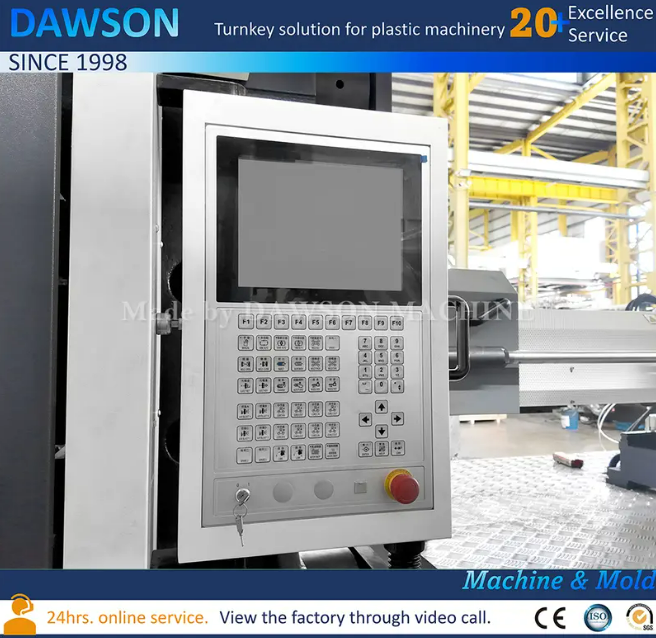
Sensors track temperature, pressure, and cycle time, providing real-time insights. Advanced data acquisition systems capture deviations quickly, enabling operators to adjust parameters proactively. This reduces scrap rates and improves overall product quality.
Automated alarms alert operators to abnormal conditions immediately. For instance, overpressure or overheating triggers a system shutdown before damage occurs. Combining alarms with logs allows for faster root cause analysis and preventive actions.
User-friendly dashboards display critical production metrics. Operators can identify trends and optimize cycles based on actionable insights. Historical data helps in continuous improvement and reduces guesswork in decision-making.
Regular inspection of molded parts ensures dimensional accuracy and surface quality. Sampling protocols and automated inspection systems minimize defects and maintain consistent output. Real-time feedback loops between sensors and machine controllers further enhance quality control.
Routine checks of screws, barrels, nozzles, and hydraulic systems prevent unexpected failures. Identifying wear early avoids production interruptions and reduces repair costs. Maintain detailed logs to track component performance and schedule preventive maintenance.
Proper lubrication is essential for smooth machine operation. Over- or under-lubrication can cause friction-related damage or contamination. Following manufacturer guidelines ensures optimal performance and reduces downtime.
Clean molds, barrels, and channels prevent contamination and maintain surface finish. Regular cleaning prolongs equipment life and ensures consistent product quality. Implementing a cleaning schedule minimizes material buildup and defects.
Replace worn seals, O-rings, and heating elements promptly. Delaying replacement can lead to larger failures and production losses. Maintaining an inventory of spare parts supports uninterrupted production.
Calibrate heating elements and sensors regularly to maintain accuracy. Precise temperature control ensures consistent molding and prevents material degradation.
Maintenance Area | Recommended Action | Expected Outcome |
Screws & Barrels | Inspect for wear monthly | Prevents poor melting or flow issues |
Lubrication | Apply as per schedule | Reduces friction damage |
Cleaning & Mold Care | Weekly thorough cleaning | Maintains part quality |
Component Replacement | Replace worn parts timely | Minimizes unexpected downtime |
Temperature Calibration | Regular checks and calibration | Ensures consistent part quality |
Operators must develop a thorough understanding of safe machine operation and the automation features integrated into modern injection molding machines. Comprehensive training should cover start-up, shutdown, and emergency protocols, along with routine monitoring tasks. Well-trained operators are less likely to make errors, which reduces material waste, prevents equipment damage, and improves overall workplace safety. Proper instruction also helps operators recognize early warning signs of potential malfunctions, enabling timely corrective actions and uninterrupted production cycles.
Beyond basic training, operators benefit from advanced instruction in robotics, machine programming, and troubleshooting techniques. These skills allow operators to quickly identify and resolve process issues, fine-tune machine settings for specific materials, and optimize production parameters for quality and efficiency. Advanced skills empower operators to handle complex automated systems, reducing reliance on technical support and enhancing the facility’s overall operational capability. A workforce with these competencies ensures faster response times to unexpected production challenges, minimizing downtime and maintaining product consistency.
Continuous learning is critical in the fast-evolving manufacturing environment. Operators should stay informed about emerging technologies, software updates, and process optimization strategies. Regular training sessions, workshops, or online courses help staff adapt to new automation features, robotics, and IoT-enabled monitoring systems. Maintaining a culture of continuous education fosters innovation, encourages problem-solving, and ensures that operators contribute to long-term productivity improvements. It also reduces dependency on external experts, lowering operational costs and enhancing the team’s autonomy in managing automated systems.
Effective communication and collaboration among operators, engineers, and supervisors are essential to maintain smooth workflow and rapid problem resolution. Sharing observations, data insights, and troubleshooting experiences allows teams to align production practices with organizational goals. Collaborative problem-solving ensures that machine performance remains optimized while preventing recurring issues. Encouraging open communication fosters a culture of accountability and collective expertise, where knowledge transfer enhances both individual operator skills and overall team efficiency. This coordination also supports continuous improvement initiatives across the production line.
Automating material handling, parts removal, and repetitive tasks using robotic systems significantly improves production efficiency. Robotic arms reduce cycle time, minimize human error, and free staff to focus on process monitoring and quality assurance. This approach maintains high throughput without compromising precision or product quality. Moreover, automation allows for consistent handling of complex or delicate components, reduces operator fatigue, and contributes to a safer work environment by limiting manual interaction with moving machinery.
Optimized mold designs, paired with effective cooling systems, enhance both cycle time and part quality. Strategically designed cooling channels prevent warping and uneven shrinkage, ensuring dimensional accuracy across production runs. Computational simulations prior to production can predict flow patterns, identify potential defects, and guide adjustments to mold geometry or cooling strategies. Investing in efficient mold design reduces scrap, energy consumption, and cycle delays, contributing directly to higher productivity and consistent output quality.
Integrating IoT technology with automated injection molding machines enables real-time performance monitoring and adaptive control. Operators and managers can access data on temperature, pressure, cycle time, and equipment status remotely, allowing immediate adjustments when deviations occur. IoT connectivity supports predictive maintenance scheduling, preventing unexpected breakdowns and minimizing downtime. Data-driven insights also optimize production planning, allowing teams to adjust operations dynamically to meet demand fluctuations while maintaining product quality and operational efficiency.
Efficient workflow management is critical for maximizing production efficiency. Centralizing control over material storage, handling, and delivery minimizes bottlenecks and delays in the production process. Coordinated scheduling ensures that machines are continuously supplied without interruptions, while optimized material logistics reduce handling errors and unnecessary inventory movement. Streamlined workflows enhance overall operational efficiency, improve throughput, and create a more predictable, reliable production environment for both operators and managers.
Proper machine guarding protects operators from exposure to moving parts, pinch points, and hydraulic components. Advanced sensors detect abnormal operation, such as excessive pressure or temperature fluctuations, triggering automatic shutdowns to prevent accidents. These safety systems reduce the likelihood of injury and safeguard equipment from damage caused by unintended operation. Combining physical guarding with electronic monitoring ensures multiple layers of protection for personnel and machines.
Clearly defined emergency protocols, including machine shutdown, evacuation procedures, and reporting mechanisms, enhance operator readiness during incidents. Conducting regular emergency drills reinforces proper responses, ensuring staff can act quickly and calmly under pressure. Integrating these protocols into daily training increases confidence and reduces the potential impact of accidents or equipment malfunctions. Comprehensive emergency procedures contribute to a safer production environment and reduce the risk of costly downtime or regulatory penalties.
Ergonomically designed workstations minimize strain and repetitive motion injuries, improving operator comfort and productivity. Adjustable platforms, seating, and control interfaces allow operators to maintain optimal posture during long shifts. Proper ergonomics reduce fatigue and prevent chronic injuries, which can lead to absenteeism or reduced operational efficiency. Incorporating ergonomic principles into machine layout and workflow design benefits both worker health and overall production performance.
Adhering to industry safety standards ensures legal compliance and promotes a culture of safety. Standards cover electrical, mechanical, and chemical safety measures essential for automated injection molding operations. Following regulatory guidelines protects employees, reduces liability, and aligns with best practices for workplace safety. Compliance also reinforces customer confidence and demonstrates commitment to responsible manufacturing practices.
Operators must prioritize setup, material compatibility, monitoring, and maintenance. Skilled training and efficiency optimization ensure high-quality output. ZHANGJIAGANG DAWSON MACHINE CO.,LTD. offers advanced injection molding machines that deliver consistent performance and long-lasting value. Their products support productivity, safety, and reliable operations.
A: An automated injection molding machine is a system that produces plastic parts with minimal manual intervention, offering precise temperature, pressure, and cycle control. It ensures consistent quality and efficiency in production.
A: Correct injection molding machine setup procedures ensure accurate temperature, pressure, and clamping force. This prevents defects, improves part consistency, and reduces downtime.
A: Routine maintenance should be scheduled based on manufacturer guidelines. Regular inspections, lubrication, and cleaning follow best practices for injection molding maintenance to extend machine lifespan.
A: Materials must match the machine’s capabilities. Consider viscosity, heat resistance, and flexibility. Testing small batches ensures consistent results and avoids material-related defects.
A: Using an injection molding machine troubleshooting guide helps identify causes like pressure deviations or temperature inconsistencies. Adjust settings or replace worn components promptly to restore performance.
A: Automation increases throughput, reduces labor costs, and maintains consistent part quality. Integrating robotics and IoT enables real-time monitoring and adaptive production adjustments.
A: Skilled operators reduce errors, optimize machine settings, and perform preventive maintenance. Continuous education ensures adaptation to new technologies and improved production efficiency.
A: Machine guarding, sensors, and emergency procedures protect operators. Ergonomic workstations and adherence to industry standards reduce accidents and improve long-term safety.
A: Efficient mold design and cooling channels reduce cycle time, prevent warping, and improve dimensional consistency, enhancing the overall performance of an injection molding machine.
A: Yes, best practices for injection molding maintenance reduce downtime, prevent costly repairs, and extend machine life, ultimately improving production profitability.