

Views: 0 Author: Site Editor Publish Time: 2026-03-03 Origin: Site


Why do some blow molded products stay consistent, while others show thin walls, warping, or surface defects? In most plants, quality is won or lost inside the process window, where wall thickness, surface finish, and dimensional stability must stay under control.
This guide explains how to improve results on a blow molding machine through repeatable settings, faster in-line correction, and stable output across shifts. It also shows how integrated solutions, such as DAWSON’s machine, mold, and technical support model, help teams standardize quality routines. You will learn practical ways to control materials, core process parameters, molds, and inspection workflows, building a simple framework to reduce defects and improve production consistency.
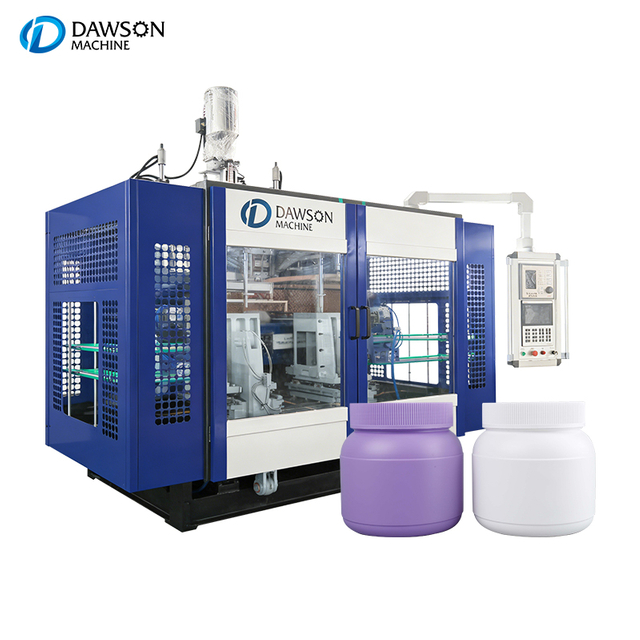
Control Area | Focus |
Melt Temp | Zone stability |
Mold Cooling | Balanced flow |
Blow Timing | Even cavity fill |
Parison | Thickness profiling |
Extrusion Speed | Geometry matching |
Calibration | Daily alignment |
Every heating zone plays a role in melt flow stability. If one drifts off target, it can reduce material strength and create thin spots. Define exact zone temperatures and apply startup/changeover rules that flag even minor deviations. This ensures reliable melt viscosity and uniform part formation.
The mold not only defines the part shape but also governs cooling. Unbalanced or inefficient cooling causes dimensional instability and warping. Managing coolant flow and holding consistent cycle times minimizes shrinkage and supports better shape retention.
Air pressure and timing directly affect how the parison inflates inside the mold. Incorrect timing between the primary and final blow stages can lead to uneven wall thickness or surface distortions. Pressure ramping and controlled hold times should be optimized to ensure cavity fill is consistent and repeatable.
In complex parts—such as those with handles or corners—precision parison control is essential. Program thickness by section to reinforce structural areas without overloading material. Each mold change should trigger a re-profile to adapt to the new geometry.
Synchronizing extrusion and inflation speeds with the shape and volume of the part prevents localized thinning or deformation. Faster extrusion may increase output but requires matching inflation dynamics to maintain integrity.
Preventive calibration routines safeguard against gradual drift. Daily checks should verify blow pin seating, clamping alignment, and pressure regulator readings. These checkpoints help avoid batch-wide quality loss due to unnoticed machine misalignment.
The polymer you choose defines how the product performs. For example:
Material | Key Benefit | Application |
HDPE | High strength, chemical resistance | Drums, jerry cans |
LDPE | Flexibility | Lightweight containers |
PP | Heat resistance | Food packaging, automotive |
PETG | Clarity, toughness | Transparent bottles |
Using the wrong resin increases the risk of product failures, especially under thermal or mechanical stress.
Moisture causes voids, hazy surfaces, or bubbles in molded parts. Use hopper dryers with time settings matched to resin type. Drying buffers of 30–60 minutes can help accommodate variations in humidity or pellet storage conditions.
Resin contamination—such as black specks or inconsistent color—often stems from poor material handling. Clean mixing systems regularly, keep pellet containers sealed, and filter all materials before feeding. Limit regrind use to within validated ratios, typically under 15%, to avoid introducing defects.
Flash and parting line irregularities often come from poor clamping or mold misalignment. Set and verify clamping force per mold spec, and inspect guide pins routinely. Replace worn pads or damaged mold faces without delay to preserve part integrity.
Air trapped during the blow process creates surface voids or cloudy spots. Clean vents at regular intervals—daily during high humidity or dusty conditions. Coordinating mold design and machine setup, as practiced by companies like DAWSON, supports vent consistency across production lines.
Ambient conditions directly impact part cooling rates and material performance. To maintain dimensional stability and avoid issues like shrinkage or warping, it’s important to keep the workshop temperature between 20–25°C and relative humidity below 60%. Consistent airflow and proper ventilation also support balanced mold temperature control throughout long production cycles.
In sectors such as food packaging or medical supply manufacturing, cleanliness is more than a visual standard—it’s a regulatory requirement. Keeping surfaces free of dust, oil, or foreign particles prevents contamination and ensures the final product meets hygiene expectations. Molds and tooling should be cleaned regularly to avoid defects caused by buildup or residue during extended runs.
Human operation plays a direct role in product quality. Actions like mold setup, handoffs between operators, and shift change procedures must be standardized. Visual work instructions, pre-shift checklists, and clear protocols help eliminate variability across teams. With consistent execution, it's easier to maintain process control and reduce error rates, even in high-volume or 24-hour operations.
Modern blow molding machines rely on sensors to track melt temperature, blow pressure, mold temp, and cycle timing. These data points allow real-time process feedback, help identify early drift, and make troubleshooting faster and more precise during daily production.
Dashboards should focus on actionable alerts—such as sudden drops in blow pressure or prolonged cycle time. Clear visual indicators help operators respond quickly before defects spread. Systems that integrate with structured service support, like those offered by DAWSON, also help implement fast-response protocols during ramp-up or product changes, reducing downtime and scrap.
Visual inspections under standardized lighting, part weight checks, and wall thickness measurements should occur at least every 30 minutes. This routine helps detect early deviations, supports quick in-line adjustments, and prevents full batches from being compromised. Results should be logged consistently to build a clear quality record and highlight trends over time.
Key tests include:
Test Type | Function |
Pressure Test | Detect leaks under compression |
High-Temperature | Confirm thermal resistance |
Impact Test | Evaluate durability on collision |
Drop Test | Check structural stability at height |
Use golden samples from validated production lots for visual comparisons, process verification, and customer reference. Store them in clean, climate-controlled environments to prevent degradation. Maintaining a library of reference samples supports fast troubleshooting, root cause analysis, and long-term quality tracking across batches.
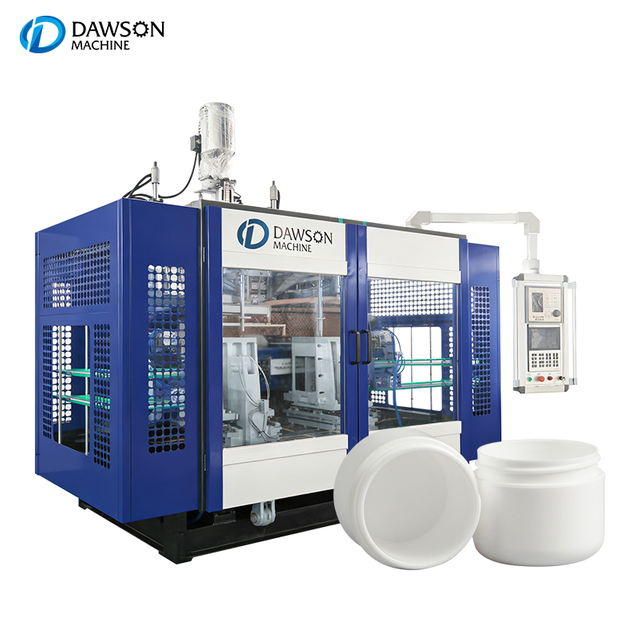
In blow molding production, many defects are not random—they're the result of recurring process weaknesses. Issues like thin walls, flash, or bubbles often stem from incorrect machine setup, poor material handling, or inconsistent cooling. Identifying these problems early and addressing their root causes can significantly improve output stability, reduce scrap, and enhance overall product quality. The table below summarizes common issues, their likely causes, and recommended corrective actions:
Issue | Likely Cause | Solution |
Thin Walls | Parison too narrow | Adjust thickness profile |
Flash | Mold not fully closed | Re-align and verify clamp force |
Voids/Bubbles | Wet resin or poor venting | Dry resin and clean vents |
Warped Bottoms | Uneven cooling | Optimize cooling channel flow |
Surface Defects | Resin contamination | Filter resin, clean hoppers |
Each of these common issues ties back to setup, materials, or environment—highlighting the importance of a holistic quality loop.
Controlling blow molding quality requires more than isolated adjustments. It depends on a complete system that starts with material readiness, follows through a well-locked process window, and continues with disciplined mold use, in-line monitoring, and reliable testing. When these steps work together, they create a repeatable quality loop that improves consistency, reduces defects, and supports stable production over time. This approach becomes even more effective when supported by experienced partners.
ZHANGJIAGANG DAWSON MACHINE CO.,LTD. helps manufacturers turn best practices into standard procedures across multiple lines. With integrated solutions—combining blow molding machines, precision molds, and ongoing technical support—they make it easier to build a scalable, reliable quality system.
A: Consistency in wall thickness, surface finish, and dimensional accuracy is key. These are controlled by tuning core settings on the blow molding machine.
A: Set stable melt and mold temperatures, control blow pressure and timing, and monitor sensor data. These adjustments help prevent issues like flash, bubbles, and thin spots.
A: Proper parison programming ensures uniform wall thickness, especially for complex parts. It directly impacts product strength and appearance.
A: ZHANGJIAGANG DAWSON MACHINE CO.,LTD. offers integrated blow molding machine systems with mold and service support, helping manufacturers create consistent, scalable quality routines.
A: Uneven wall thickness often results from poor parison control, incorrect blow pressure, or inconsistent material temperature during processing.
A: Yes, when optimized properly, a blow molding machine can deliver stable, repeatable output that supports long production runs with minimal downtime.