
Views: 0 Author: Site Editor Publish Time: 2025-11-07 Origin: Site


Plastic injection machines power modern factories and produce precise parts quickly. Yet, operational problems can halt production, increase scrap, and compromise quality. In this article, we explore common issues and provide practical solutions. You will learn troubleshooting tips to reduce defects, minimize downtime, and keep machines running efficiently.
Nozzle and gate blockages are frequent issues that hinder the flow of molten plastic, causing short shots or surface defects. These blockages usually arise from improper material drying, contamination, or misaligned components. To prevent clogs, regular cleaning and alignment checks are necessary, along with adjusting temperature settings to maintain smooth flow. Neglecting these issues can lead to defective products and increased downtime, affecting overall production efficiency.
Screw and barrel wear reduces material transport efficiency and consistency of shot sizes. Signs include inconsistent part weight, longer cycle times, and reduced melt quality. Operators should regularly inspect screws for erosion or contamination, replacing worn barrels when necessary. Proper calibration of back pressure and screw speed ensures smooth material flow and prevents premature wear.
Ejector pins sticking or uneven ejection can damage parts and extend cycle times. Causes include insufficient lubrication, hydraulic pressure issues, or misaligned components. Routine maintenance, including lubrication and inspection, ensures smooth operation. Adjusting clamping force or hydraulic pressure may be necessary if ejection problems persist.
Leaks in seals, hoses, or fittings reduce machine efficiency and can compromise operator safety. Early detection involves visual inspection and monitoring hydraulic pressure levels. Preventive maintenance, such as replacing worn seals and tightening fittings, avoids unexpected downtime. Hydraulic system integrity is essential for consistent injection pressure and safe operations.
Short shots occur when cavities are incompletely filled due to low injection pressure, inadequate mold temperature, or poor venting. Solutions include adjusting mold design, optimizing process parameters, and ensuring consistent material handling. Increasing injection pressure, speed, or gate size can improve fill consistency, reducing defects.
Air entrapment results in bubbles, voids, and weak spots in molded parts. Proper venting of molds, adjusting gate systems, and controlling injection speed can reduce trapped air. Operators should ensure the mold design facilitates gas escape, especially in complex or thick parts.
Surface defects like flow lines or jetting indicate improper melt flow. They often result from inconsistent injection speed, pressure, or temperature. Optimizing runner and gate design can improve surface quality. Regular monitoring of process data ensures consistent material flow across cavities.
Defect Type | Common Cause | Corrective Action |
Flow Lines | Low injection pressure or speed | Increase pressure and optimize gate design |
Jetting | Small gate size or high flow | Adjust gate or reduce injection speed |
Surface Blemishes | Uneven melt temperature | Balance barrel and mold heating |
Warpage occurs due to uneven cooling, improper mold design, or part geometry. Adjusting cooling channels, improving mold design, and selecting appropriate materials minimize dimensional deviations. Monitoring part geometry and conducting sample inspections ensures consistent quality.
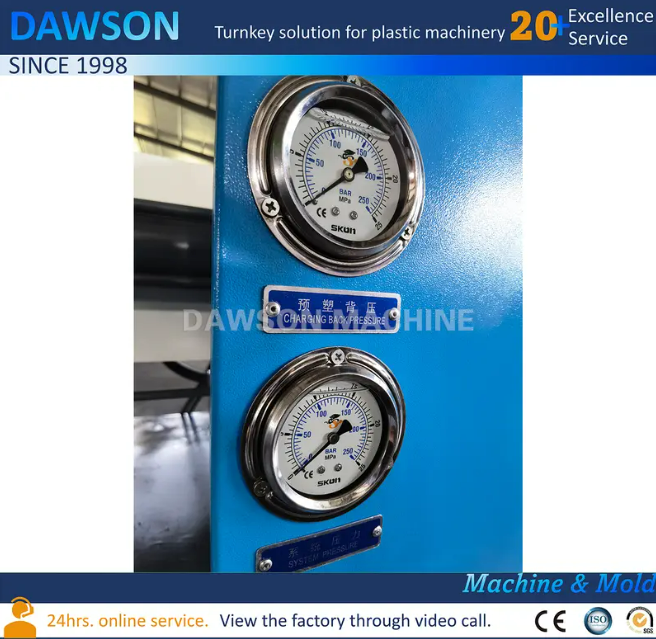
Temperature inconsistencies in barrels and molds affect melt flow and part quality. Signs include incomplete filling or variable surface finish. Corrective measures include verifying heaters, thermocouples, and temperature control units regularly. Consistent thermal management reduces defects and improves cycle reliability.
Overheated nozzles cause material degradation and burn marks. Causes include blocked vents, excessive heater settings, or slow material flow. Maintaining optimal nozzle temperature and cleaning blocked areas prevents part defects and material waste.
Cooling system problems, such as clogged water lines or faulty temperature control units, increase cycle time and compromise part quality. Preventive maintenance, including routine water line cleaning and checking temperature units, maintains consistent cooling. Correctly functioning cooling systems stabilize production and prevent warpage.
Burn marks typically result from trapped air pockets, excessively high barrel temperatures, or prolonged residence time of molten plastic. Overheating can degrade material properties, causing discoloration or brittleness in parts. Adjusting process parameters such as injection speed, barrel temperature, and melt pressure prevents these defects. Additionally, proper venting of the mold and consistent monitoring of material flow ensure even heat distribution and preserve the structural integrity of finished components. Implementing routine checks on thermocouples and heaters helps maintain consistent temperatures throughout production cycles.
Flash occurs when molten plastic leaks along parting lines due to insufficient clamping force or improper mold alignment, while delamination refers to the separation of layers in a molded part. Both defects reduce product quality and increase scrap rates. Optimizing mold design, ensuring precise clamping pressure, and maintaining clean mold surfaces minimize these issues. Adjustments in injection speed, holding pressure, and cooling profiles can further prevent material overflows. Regular inspection of mold alignment and parting surfaces is essential to detect early signs of wear that could contribute to flash and delamination.
Sink marks appear as concave depressions on thicker sections of molded parts, often caused by uneven cooling or insufficient holding pressure. Weld lines occur where two molten fronts meet, creating visible seams that weaken structural integrity. Addressing these defects requires careful mold design adjustments, such as redistributing wall thickness, optimizing gate locations, and increasing holding pressure. Process modifications, including controlling melt temperature, injection speed, and cooling rates, ensure uniform material flow and solidification. Frequent trial inspections and mold flow analysis can help identify areas prone to sink marks or weld lines before large-scale production.
Surface streaks and fogging result from moisture in raw materials, trapped air, or melt fractures during injection. These defects negatively impact aesthetics and functional performance, particularly for transparent or high-precision parts. Solutions include thoroughly drying raw materials, venting molds correctly, and carefully controlling injection speed and melt temperature. Adjusting gate design and optimizing runner systems can also prevent uneven material flow. Monitoring material moisture levels and incorporating pre-processing steps like desiccant drying help maintain consistent part quality while reducing the likelihood of streaks and fogging.
Preventive maintenance is critical to avoiding unplanned machine failures that disrupt production. Scheduled inspections of screws, barrels, ejector systems, and hydraulic components allow operators to detect wear early and replace parts proactively. Monitoring historical process data and trending performance metrics helps predict potential issues, such as hydraulic leaks or screw slippage, before they cause downtime. By integrating maintenance schedules with operational workflows, manufacturers can minimize production interruptions, extend equipment lifespan, and maintain consistent output quality across all shifts.
Cycle time optimization balances speed with product quality. Adjusting injection speed, holding pressure, cooling duration, and mold temperature ensures that each cycle completes efficiently without compromising part integrity. Streamlining setup procedures, standardizing mold changes, and using quick-change tooling further reduce idle time. Evaluating bottlenecks through time studies allows operators to identify areas for improvement and implement process modifications. Optimized cycle times not only increase throughput but also reduce energy consumption, material waste, and overall manufacturing costs.
Consistent operator training ensures adherence to setup protocols, inspection procedures, and machine operation standards. Well-trained personnel can identify issues early, reduce error rates, and maintain quality standards. Time studies help establish realistic expectations for each task, preventing rushed operations that may compromise part quality. Documentation of standard operating procedures (SOPs) provides clear guidelines for both experienced and new operators, promoting uniform practices across multiple shifts and facilities.
Proper handling of raw materials is essential for consistent part quality. Drying resins, accurately blending colorants, and minimizing regrind usage ensure uniform material properties. Variations in moisture content or contamination can lead to defects such as streaks, bubbles, or warpage. Implementing structured material handling protocols, including lot tracking and storage conditions, ensures consistency across production batches. Regular audits of dryers, hoppers, and blending equipment maintain operational reliability and prevent material-related quality issues.
Electric motors are critical for consistent machine operation, and overheating can lead to downtime or permanent damage. Causes include excessive load, poor ventilation, clogged cooling fans, or misaligned drives. Regular cleaning, monitoring load levels, and ensuring proper ventilation help maintain optimal performance. Predictive monitoring of motor temperature and current draw can alert operators to potential issues before they escalate, allowing proactive maintenance. Proper motor care enhances reliability, prevents unexpected production halts, and extends equipment lifespan.
Faulty sensors or control units disrupt injection accuracy and process consistency. Causes include electrical wear, calibration drift, or environmental interference. Routine inspections, calibration, and preventive maintenance ensure that sensors, thermocouples, and control circuits operate accurately. Detecting and addressing issues early prevents deviations in shot size, melt temperature, or cycle timing. Implementing a sensor maintenance log helps track performance trends and reduce unplanned downtime.
Misalignment or synchronization issues in robots and auxiliary devices can cause startup failures, part misplacement, or cycle delays. Regular alignment checks and verification of robotic motions prevent production errors. Ensuring that auxiliary equipment, such as conveyors and material feeders, is synchronized with machine operations is crucial for smooth production. Automation errors often manifest subtly, so continuous monitoring and calibration are key to preventing cumulative process disruptions.
Simulation tools, such as Moldflow, analyze material flow, pressure, and temperature distribution to predict potential defects like air traps, warpage, or sink marks. By adjusting gate size, melt flow rates, and temperature profiles in the virtual environment, operators can optimize mold design and processing parameters before physical trials. Simulation reduces trial-and-error costs, accelerates production readiness, and improves first-shot success rates. Integrating simulation into the design and setup process helps identify problematic geometries and supports decision-making for complex parts.
Continuous improvement relies on data-driven analysis to refine process parameters and reduce recurring defects. Monitoring production data, analyzing scrap trends, and implementing incremental adjustments help increase yield and minimize waste. Iterative optimization ensures that changes in material, part design, or machine settings do not compromise quality. Encouraging feedback from operators and cross-functional teams supports proactive identification of efficiency opportunities.
Complex parts, including multi-gate, thin-wall, or asymmetrical designs, require precise mold engineering and careful material selection. Using process optimization and simulation ensures consistent melt flow, reduces defect rates, and maintains dimensional accuracy. Strategies include adjusting gate locations, balancing cooling channels, and selecting resins with suitable flow properties. Combining design analysis with iterative process adjustments enables manufacturers to produce high-quality parts with minimal trial-and-error.
Addressing common problems in plastic injection machines boosts productivity and reduces defects. ZHANGJIAGANG DAWSON MACHINE CO.,LTD. provides reliable machines with advanced features. Proper troubleshooting, preventive maintenance, and operator training ensure smooth operation. Their plastic cap injection molding machines deliver consistent quality and efficiency, maximizing value for manufacturers.
A: A plastic injection machine melts plastic pellets and injects them into molds. This process creates precise components efficiently. Understanding plastic injection machine troubleshooting helps maintain smooth production.
A: Injection molding machine common issues include nozzle blockages, screw wear, ejector malfunctions, and hydraulic leaks. Regular inspections and maintenance minimize downtime and defects.
A: Injection molding defects and solutions focus on correcting short shots, air traps, flow lines, and warpage. Adjusting temperature, pressure, and mold design reduces scrap and ensures consistent quality.
A: Plastic injection machine maintenance tips include regular cleaning, lubrication, component inspection, and monitoring hydraulic systems. Preventive maintenance extends machine lifespan and improves operational efficiency.
A: Optimizing cycle time enhances productivity and reduces energy consumption. Fine-tuning injection speed, cooling, and holding pressure prevents defects and maintains consistent part quality.
A: Nozzle blockages can disrupt material flow. Clean the nozzle, check alignment, and adjust temperature settings. Incorporating plastic injection machine troubleshooting strategies prevents repeated issues.
A: Yes, preventive maintenance reduces unplanned downtime, lowers scrap rates, and extends equipment life. Following plastic injection machine maintenance tips ensures higher ROI.
A: Proper training ensures operators follow standard procedures, detect issues early, and perform accurate adjustments. This reduces defects and complements plastic injection machine troubleshooting practices.