
Views: 0 Author: Site Editor Publish Time: 2026-03-10 Origin: Site


Maintaining peak performance on a blow molding machine depends on more than material quality or daily operation—it starts at the core: the screw and barrel system. When removal or installation is handled poorly, downtime rises, parts wear faster, and product consistency suffers.
This guide is designed for maintenance engineers, factory technicians, and production managers who want faster changeovers and safer servicing. You’ll learn practical, step-by-step methods to remove and reinstall screw barrels while protecting equipment and improving productivity. Leading manufacturers like DAWSON follow these principles in their global service standards, helping teams across 45+ countries maintain stable output and long-term machine reliability.
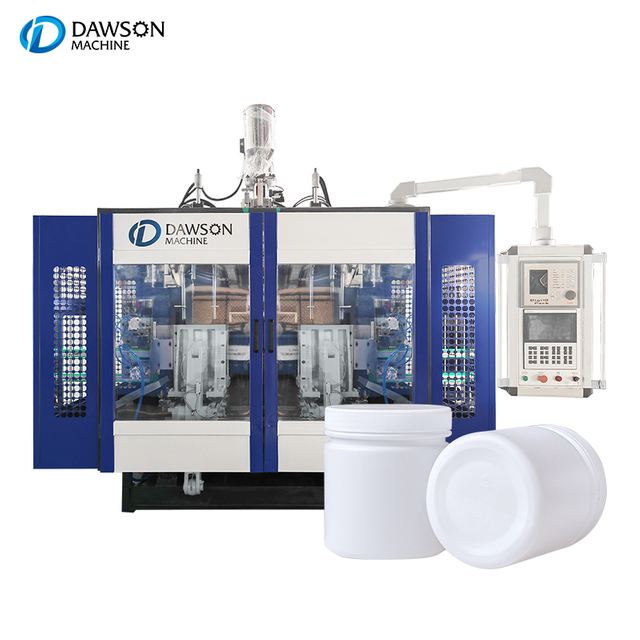
The screw-and-barrel system isn’t just a moving part—it’s the core of plastic transformation. It heats, melts, mixes, and pushes the resin through the mold. In extrusion blow molding, plastic pellets enter from the hopper and move forward as the screw rotates. The barrel’s heat zones soften the material until it’s ready to form into the final shape. The right fit and alignment mean everything here. A slight misalignment? You’ll feel it in every bottle, tank, or part produced.
Component | Function | Result of Misalignment |
Screw | Moves, compresses, and melts plastic | Inconsistent melting, wear |
Barrel | Houses the screw, applies heat | Hot spots, resin degradation |
Reducer Sleeve | Connects motor torque to the screw | Jerky motion, coupling damage |
An off-center screw wears unevenly, wastes energy, and causes poor flow. Proper alignment prevents those issues and ensures your machine produces parts that pass inspection the first time.
Alignment isn’t just about getting parts to fit—it directly influences how your blow molding machine performs under load. From energy usage to screw longevity, misalignment quietly undermines productivity and increases wear in multiple areas. When the screw, barrel, and reducer sleeve aren’t properly aligned, each component starts compensating in the wrong way.
● Screw: Misalignment here disrupts how the material is conveyed and mixed, often leading to unstable internal pressure.
● Barrel: When out of line, it can create irregular heating zones, causing localized hot spots that degrade resin quality.
● Reducer sleeve: This piece connects torque from the motor to the screw. A poor fit stresses the coupling and leads to premature damage.
Before any work begins, always power down the blow molding machine completely and apply lockout/tagout (LOTO) devices to both electrical and hydraulic systems. This prevents accidental restarts and protects technicians during hands-on servicing. Take time to verify that all energy sources are isolated before touching internal components.
At the same time, prepare proper personal protective equipment. Heat‑resistant gloves, long sleeves, safety glasses, and steel‑toed boots form the basic safety layer. For larger machines or high-temperature environments, face shields and heat aprons add extra protection. When lockout procedures and PPE are handled together, teams create a safer, more controlled maintenance environment.
Clear the floor. Improve lighting around the barrel zone. Confirm crane access. Good layout prevents rushed movement and dropped hardware.
Prep Item | Purpose |
Floor clearance | Safe lifting |
Lighting | Wiring visibility |
Crane check | Stable hoisting |
Before starting any removal or inspection work, it’s important to recognize the risks that commonly arise around the screw barrel area. These hazards aren't always visible but can cause serious injury or equipment damage if ignored.
● Residual pressure: Trapped pressure in hydraulic or melt zones can release suddenly if not properly vented.
● Hot surfaces: Even after shutdown, barrel surfaces may remain dangerously hot for over an hour.
● Moving parts: Components like motors or reducers may shift or rotate unexpectedly if not secured.
The success of a screw barrel removal or installation largely depends on using the right tools. Each step—whether loosening, lifting, or aligning—requires equipment that ensures precision and prevents damage. Below is a list of essential tools typically used during servicing:
Tool Type | Purpose |
Wrenches, sockets, torque tools | For unbolting and tightening connections |
Thermocouple/heater tools | For safely removing sensors and bands |
Screw removal flange or jack | For controlled screw extraction |
Anti-seize lubricant | Prevents galling during reassembly |
Safe handling starts with proper lifting equipment. Always use an overhead crane or gantry hoist rated to support the full weight of your screw and barrel assembly. Ensure lifting points are secure and the load remains balanced throughout the entire movement to avoid damage or injury.
Equally important is organizing components during disassembly. Label all wires, thermocouples, and sensors clearly. Store bolts and small parts in labeled containers or magnetic trays. Taking reference photos before removal speeds up reassembly and reduces the risk of mismatches or errors across shifts.
Removing the screw barrel from a blow molding machine requires careful planning and methodical execution. To ensure safety and avoid equipment damage, follow each step in order, using appropriate tools and handling methods throughout the process.
● Step 1: Heat and purge the system
Bring the barrel to its regular processing temperature and run the plastic material out completely to prevent solid buildup during removal.
● Step 2: Disconnect electrical components
Shut off all power. Remove heater bands and thermocouples carefully, and label all connections to support accurate reassembly.
● Step 3: Detach feed and head components
Remove the feed hopper, storage or die head, and any remaining external covers that limit access to the barrel.
● Step 4: Separate the reducer
Loosen the bolts at the reducer and use a hydraulic jack to slide it back. This relieves pressure from the screw coupling sleeve.
● Step 5: Extract the screw
Install a screw removal flange or jack, then apply even, controlled pressure to withdraw the screw without damaging the threads.
● Step 6: Remove the barrel
Unbolt the barrel and lift it vertically using a crane. Take care to avoid any contact with nearby frames or wiring.
● Step 7: Clean and inspect
Examine all surfaces for wear, rust, or residue. Clean the screw and barrel using stearic acid or approved purging compounds.
Note: DAWSON recommends both visual and dimensional screw inspection every 12 months, or earlier if extrusion performance starts to decline.
Installing a new or cleaned screw barrel requires precision at every step to ensure safe startup and long-term performance. The following steps guide your team through proper pre-assembly, lifting, alignment, and testing procedures.
● Step 1: Pre-assemble on the ground
Insert the screw into the barrel carefully on a clean, flat surface. Use spacers to prevent metal contact and help maintain straight alignment before lifting.
● Step 2: Align the keyway and sleeve
Apply high-temperature anti-seize grease to the key groove. Rotate the screw slowly to match the keyway with the reducer sleeve—never force engagement.
● Step 3: Hoist into position
Use a crane to lift the assembly evenly. Guide it into the machine frame, ensuring the barrel sits parallel to mounting points.
● Step 4: Apply torque and lubrication
Tighten the barrel bolts using a torque wrench in a crisscross pattern. Lubricate all threaded areas to avoid galling and ensure future removability.
● Step 5: Reconnect all components
Restore heater bands, thermocouples, the feeding system, and protective covers. Double-check wiring integrity before power-up.
● Step 6: Start up and test rotation
Heat zones gradually from front to rear. Begin screw rotation at 2–5 RPM and listen for irregular resistance or vibration.
To extend the life of your screw and barrel—and ensure consistent performance—attention to detail during handling and startup is key. The following best practices help prevent common forms of mechanical wear and thermal damage:
Tip Area | Recommended Practice |
Screw Handling | Use padded supports; avoid contact with hard surfaces or direct impacts |
Lubrication | Apply high-temp anti-seize grease to reduce galling during disassembly |
Heating Sequence | Heat the barrel gradually from front to back to prevent internal expansion lock |
Startup Monitoring | Begin rotation slowly (2–5 RPM) to check for grinding or misalignment |
Keeping the screw in good working condition requires regular inspection and consistent preventative maintenance. While most blow molding operations benefit from annual checks, machines running at high speeds or under heavy loads may need quarterly inspections to catch wear early.
During each inspection, look for warning signs such as thinning threads, uneven wear, surface corrosion, or buildup along the barrel wall. Discoloration or hang-up marks often indicate excessive heat or poor material flow, both of which can affect product consistency.
To extend the service life of your screw and barrel, maintain a regular care schedule. Lubricate all moving parts, monitor temperature zones for irregularities, and use purging compounds to keep internal surfaces clean. These small habits prevent larger failures and reduce unplanned downtime.
Over time, wear on the screw and barrel is inevitable—but not all damage requires full replacement. Deciding whether to repair or replace depends on the extent of wear, production impact, and long-term performance expectations.
Condition | Recommended Action |
Severe wear or out-of-tolerance damage | Full replacement is advised |
Minor wear or surface scoring | Resurfacing or re-chroming may be sufficient |
Frequent quality issues or leaks | Consider replacement to restore consistency |
Proper evaluation helps avoid unnecessary downtime or recurring defects.
Tip: DAWSON service teams offer remote diagnostics to help determine if barrel repair or replacement is more cost-effective.
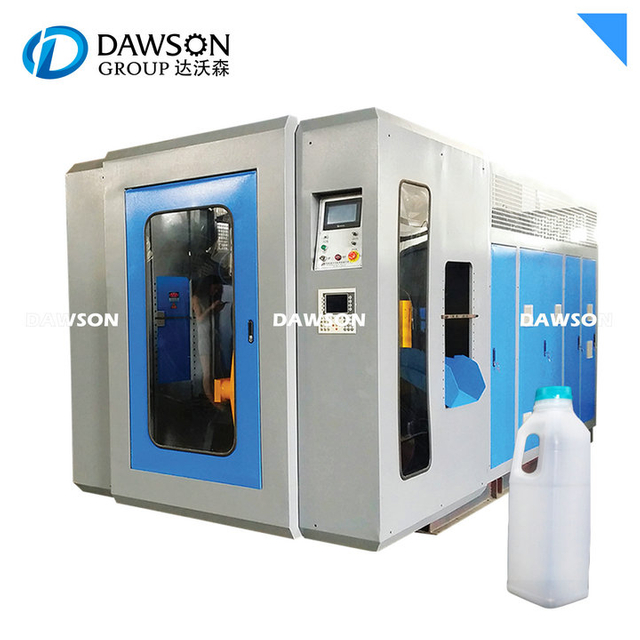
Choosing a supplier that offers integrated blow molding solutions reduces compatibility issues and simplifies troubleshooting.
Highlight: DAWSON, with 18+ years of plastic machinery expertise, delivers complete blow molding machine solutions used in 45+ countries. Their global presence, in-house R&D, and focus on after-sales service make them a top choice for reliable performance and long-term value.
OEM parts fit correctly. Retrofit guidance keeps machines compliant and efficient.
OEM Advantage | Operational Impact |
Certified parts | Longer service life |
Technical support | Faster recovery |
Training | Fewer operator errors |
Working with OEMs ensures the use of certified components, minimizing unexpected breakdowns and warranty voids.
The screw and barrel system powers every blow molding machine, and proper removal and installation protect both productivity and safety. From workspace prep to lifting control and torque accuracy, each step helps reduce wear and avoid downtime.
By applying these methods and working with experienced suppliers like ZHANGJIAGANG DAWSON MACHINE CO.,LTD., manufacturers gain reliable equipment performance, longer machine life, and stronger production stability. Their blow molding solutions deliver practical service support and proven value for growing packaging operations.
A: The screw barrel melts, mixes, and conveys plastic material. It plays a central role in the performance and output consistency of a blow molding machine.
A: For most operations, inspection is recommended every 6 to 12 months. If your blow molding machine shows output fluctuations or wear, check sooner.
A: Misalignment can lead to pressure drops, uneven melt, and motor strain. It affects the entire extrusion process in a blow molding machine.
A: You’ll need a torque wrench, screw pusher, anti-seize grease, and lifting equipment. Larger blow molding machines may also require a crane.
A: Forcing the screw out can scratch flights or bend shafts. Always follow proper heating, purging, and lifting procedures to protect your blow molding machine.
A: DAWSON offers screw barrel systems designed for easy maintenance, plus global support to keep your blow molding machine running reliably.