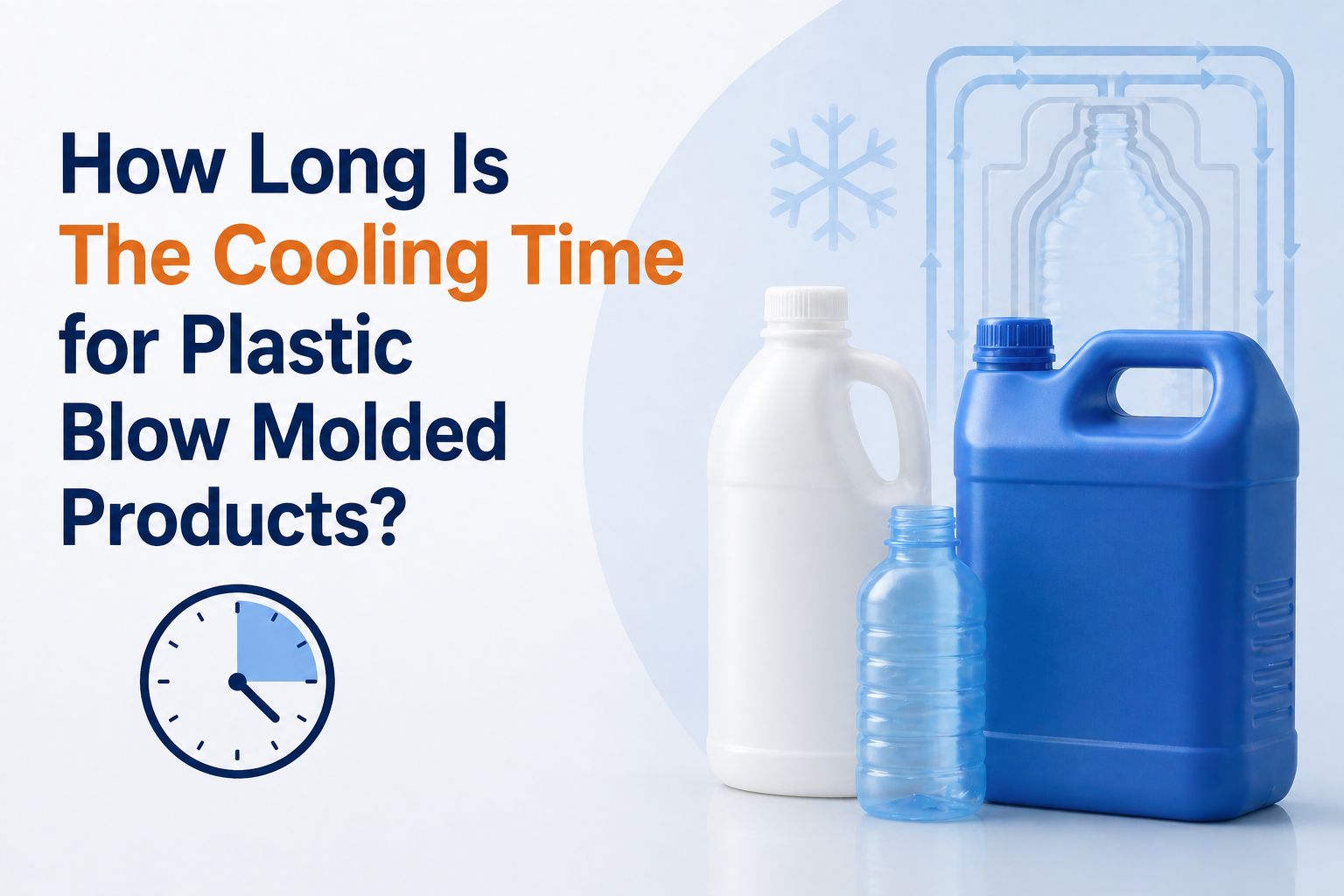
In high-volume production environments, overall cycle time directly dictates your profitability. Cooling is not merely a passive waiting period on the factory floor. It actually serves as the primary bottleneck in the blow molding process.
Read More 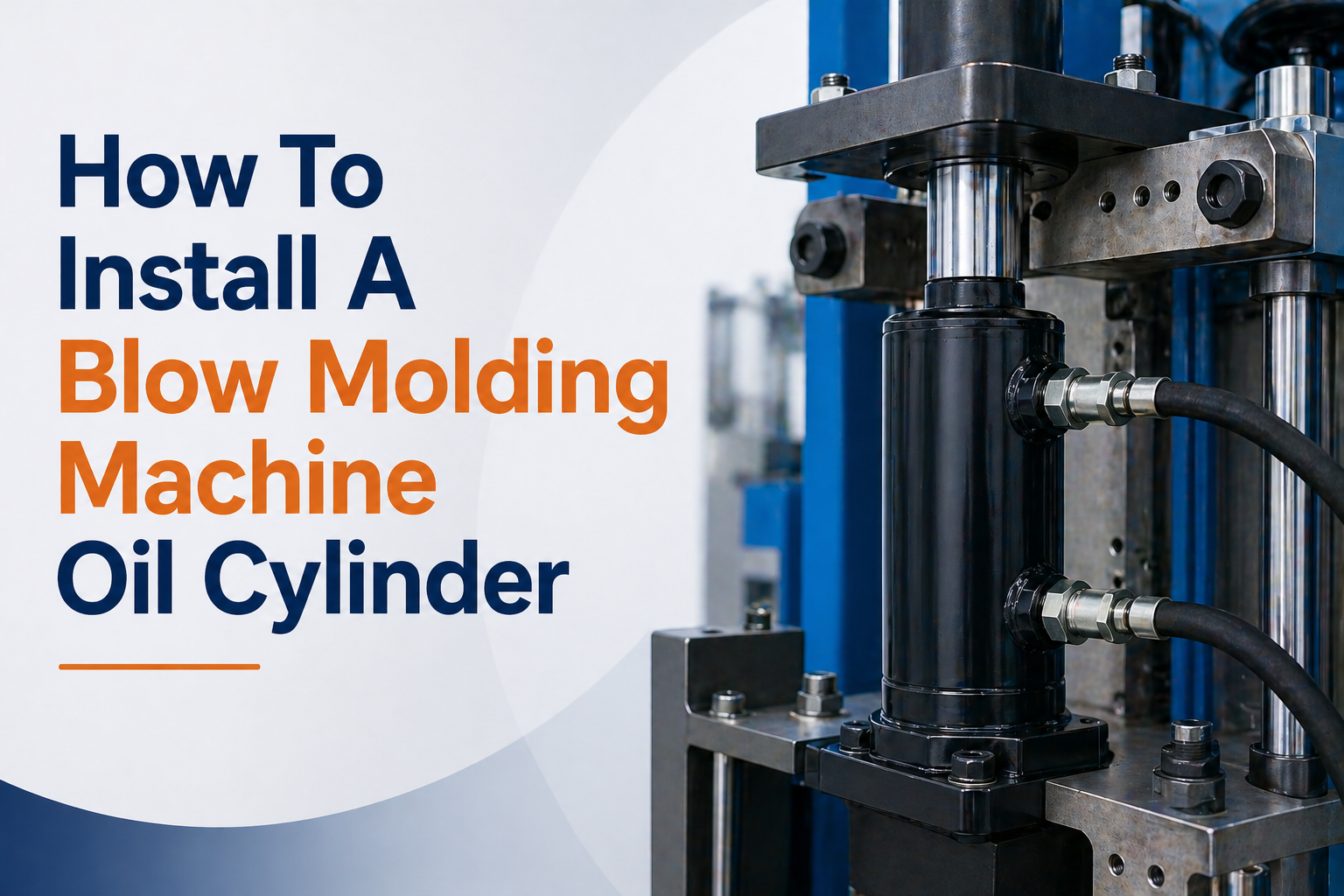
The oil cylinder serves as the muscular core of any blow molding machine. It dictates the precision of mold clamping, parison stretching, and blow pin actuation throughout the operational lifecycle. Improper installation creates an immediate ripple effect across your production floor.
Read More 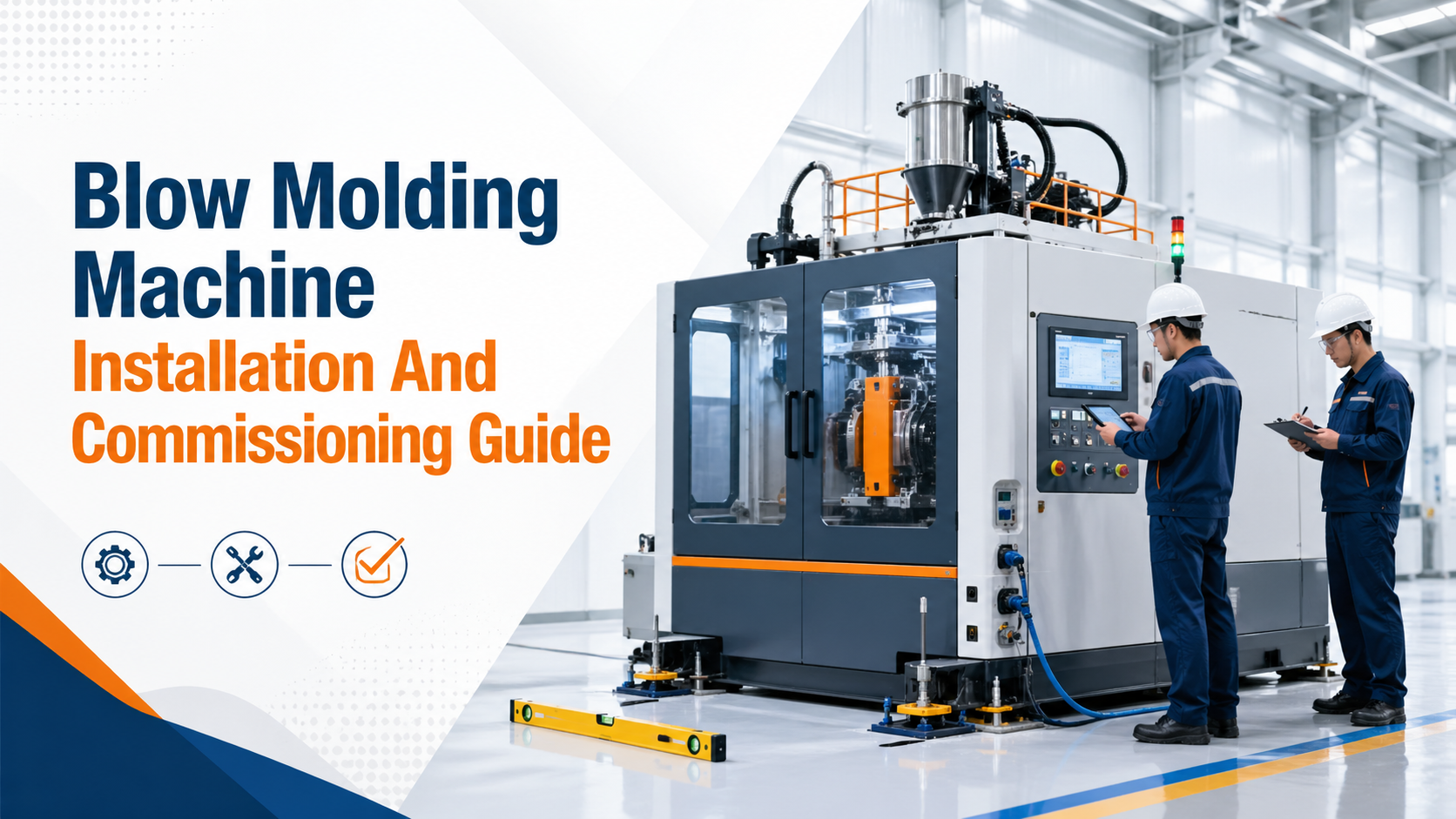
Installing industrial equipment marks a critical leap from capital expenditure to active revenue generation. Plant managers understand this transition carries high stakes. A flawless setup turns heavy machinery into a reliable profit center almost overnight.
Read More 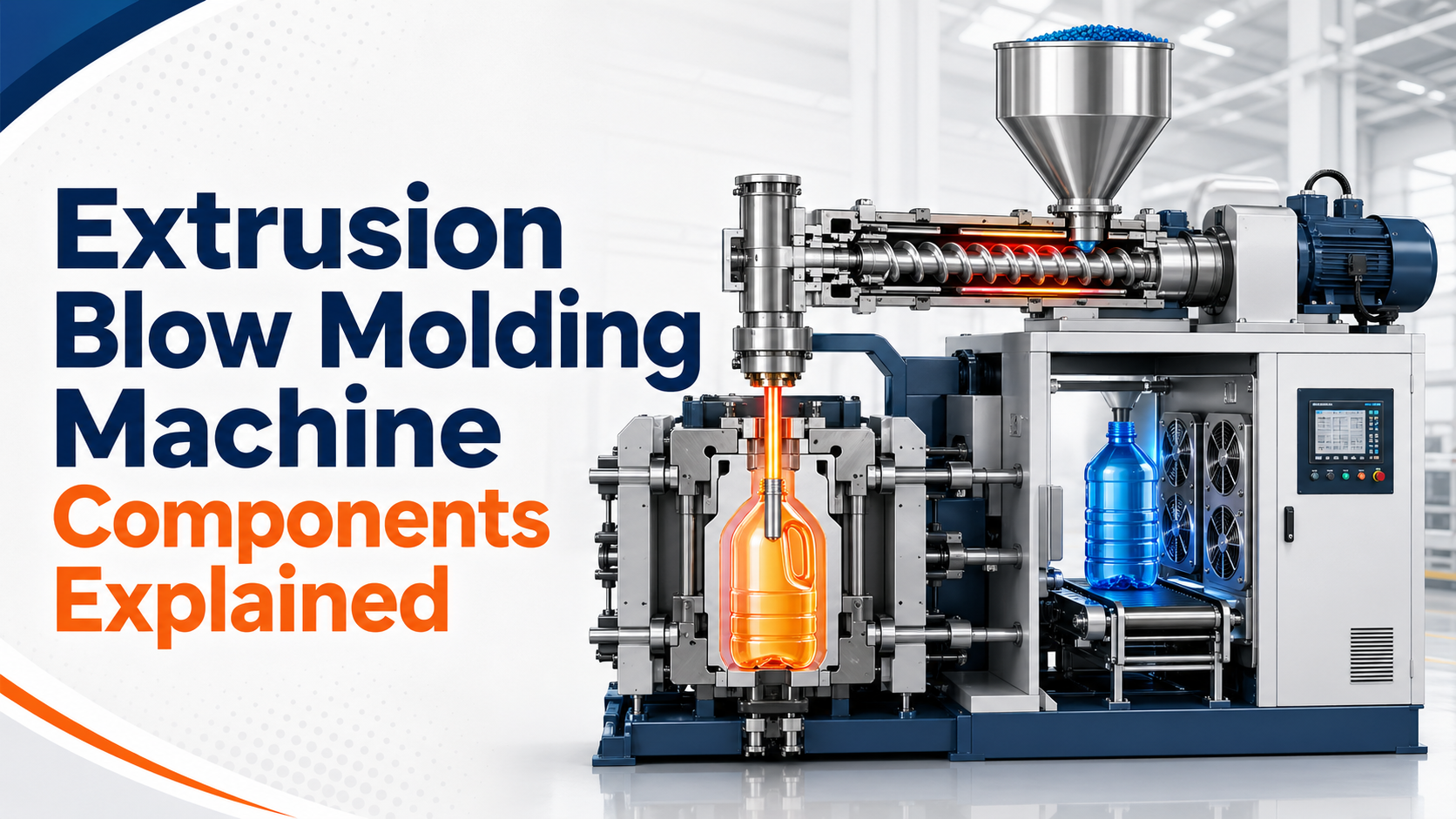
Procurement and production teams face high stakes when evaluating new industrial machinery. Evaluating an extrusion blow molding machine requires looking past top-line tonnage. You must examine the micro-components dictating cycle times, scrap rates, and part consistency.
Read More